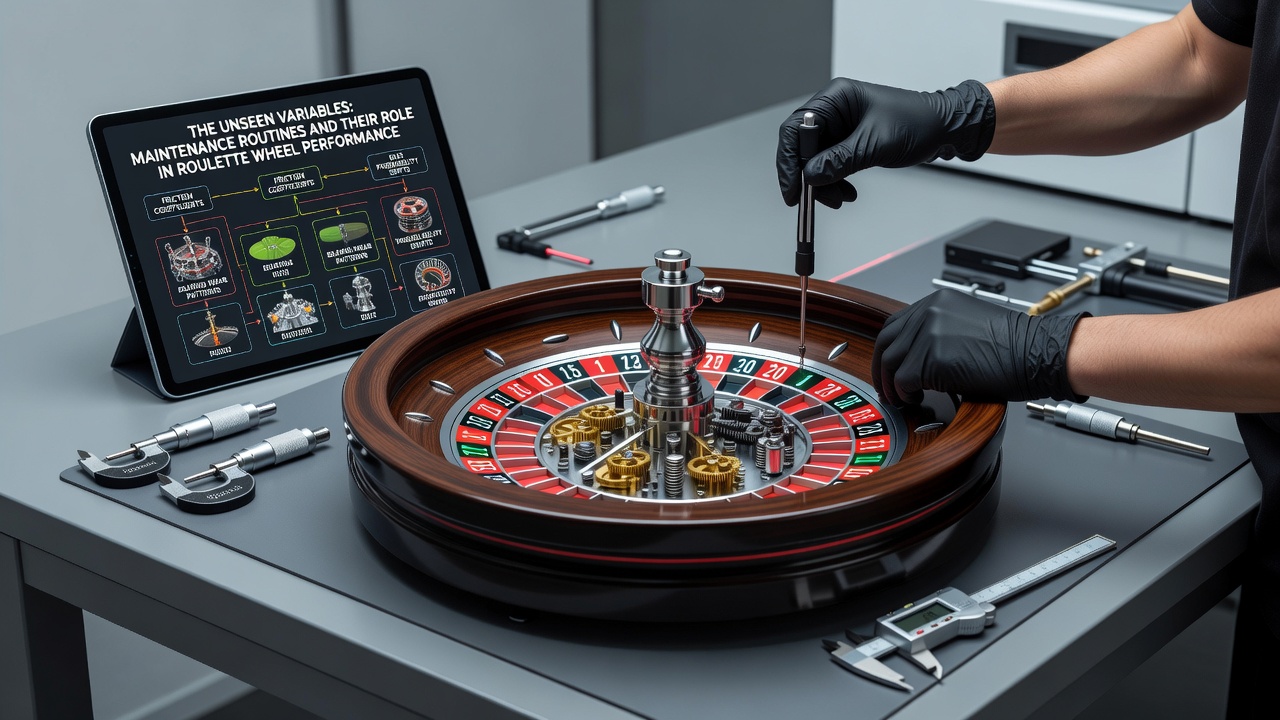
The Unseen Variables: Maintenance Routines and Their Role in Roulette Wheel Performance
Roulette wheels consist of multiple interlocking parts including the rotor, frets, pockets, bearings and the wooden bowl, and each element experiences gradual wear during continuous operation in casino environments. Maintenance routines address these components through scheduled cleaning, lubrication checks and alignment verifications that prevent the development of mechanical inconsistencies over time. Data collected from gaming equipment inspections shows that wheels serviced at regular intervals maintain closer alignment to expected outcome distributions compared with those left unexamined for extended periods.
Core Components and Their Maintenance Needs
The rotor sits at the center of the wheel and spins independently of the bowl, while the frets divide the numbered pockets and can shift slightly after repeated ball impacts. Technicians examine these dividers during routine service because even minor movement alters pocket depth and changes ball behavior upon landing. Bearings support smooth rotation yet accumulate dust and residue that increase friction, and lubrication schedules documented by equipment manufacturers specify application intervals based on usage hours rather than calendar days alone.
Wheel bowls made from layered wood also respond to humidity fluctuations in gaming halls, which can cause subtle warping if left unmonitored. Observers note that facilities in regions with variable climate conditions perform additional moisture checks as part of their protocols. These steps connect directly to performance stability because warped surfaces influence how the ball travels before dropping into a pocket.
Scheduled Inspection Protocols in Practice
Casino staff follow manufacturer guidelines that outline daily visual checks alongside deeper mechanical reviews conducted weekly or monthly depending on table activity levels. During these sessions technicians measure rotor balance with specialized tools, adjust tension on retaining rings and replace worn frets before they create noticeable bias patterns. Records kept by gaming operators indicate that such proactive measures reduce the frequency of complaints about wheel irregularities.
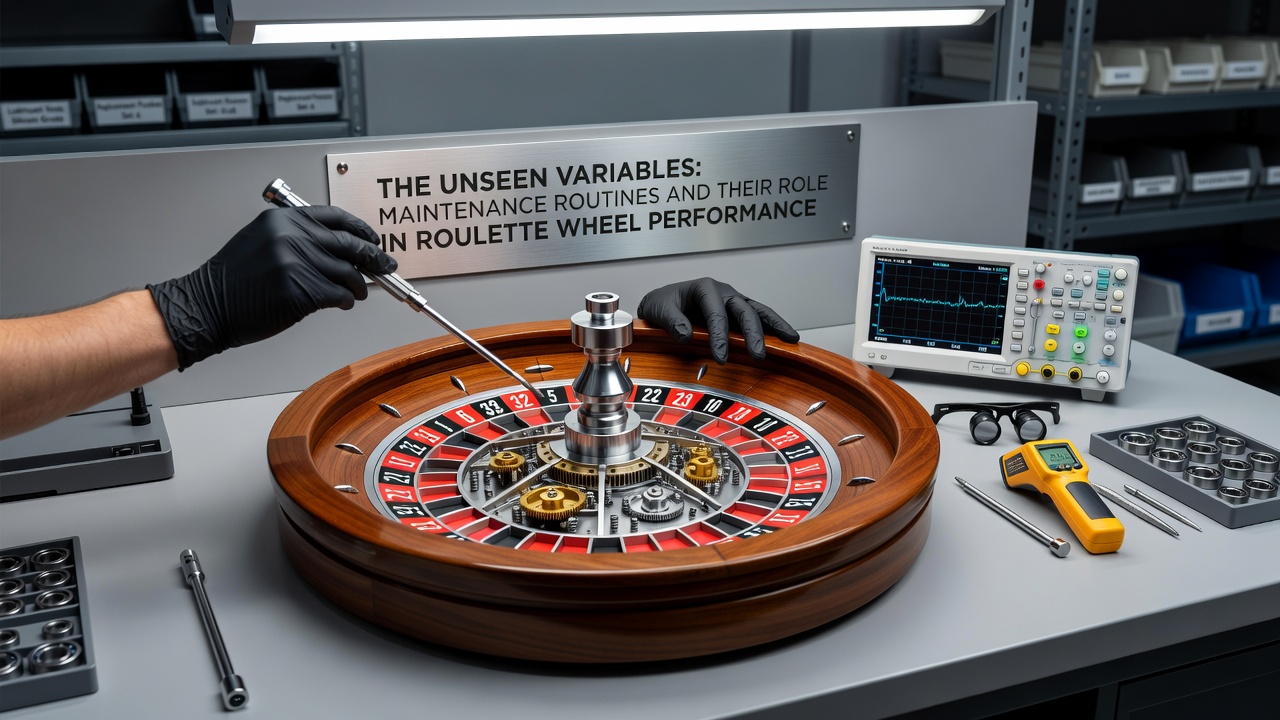
Calibration equipment used in these routines includes digital levels and laser alignment devices that detect deviations smaller than those visible to the naked eye. Facilities update their maintenance logs after each session and retain documentation for regulatory review, which supports traceability when performance questions arise. As of October 2026 several North American operators have adopted digital tracking systems that alert managers automatically when service intervals approach their limits.
Links Between Maintenance and Outcome Distribution
Studies conducted on operational wheels demonstrate that neglected bearings and misaligned frets correlate with clustered landing patterns in certain number sectors. Research indicates these patterns emerge gradually rather than suddenly, which makes routine inspections essential for early detection. Equipment reports compiled by independent testing laboratories further reveal that wheels returned to service after thorough maintenance display outcome spreads consistent with theoretical probabilities across large sample sizes.
Ball speed measurements taken before and after servicing sessions provide additional data points, because reduced friction from clean bearings allows the ball to maintain consistent velocity longer. Technicians compare these readings against baseline figures established when the wheel was first installed, and any sustained deviation triggers further investigation into hidden wear points.
Regulatory Oversight Across Jurisdictions
Gaming authorities in multiple regions require operators to submit maintenance records during audits and mandate minimum service frequencies for all live roulette equipment. The Nevada Gaming Control Board publishes technical standards that detail acceptable tolerances for rotor balance and pocket dimensions, while the Alcohol and Gaming Commission of Ontario enforces similar documentation requirements for tables operating within its jurisdiction. These frameworks emphasize verifiable procedures over subjective assessments, and operators must demonstrate compliance through retained service logs and third-party verification reports.
Observed Patterns in Operational Settings
One documented case involved a European casino that identified recurring bias after extending service intervals beyond manufacturer recommendations, and subsequent restoration work returned the wheel to standard performance metrics. Another instance in an Australian venue showed that humidity-related bowl adjustments prevented further drift in ball trajectories during peak summer months. Such examples illustrate how maintenance directly influences the mechanical variables that shape game results without introducing external manipulation.
Conclusion
Maintenance routines encompass cleaning, alignment checks, lubrication and component replacement that collectively preserve the mechanical integrity of roulette wheels across extended operational periods. Regulatory bodies in different regions enforce documentation standards that support consistent application of these procedures, while inspection data confirms measurable effects on outcome distributions when routines are followed. Continued monitoring through calibrated tools and scheduled reviews remains central to sustaining wheel performance in regulated gaming environments.